Japanese self-healing practices for everyday balance and wellbeing.
Article for Yoga For Good
by Adele Vincent
The Japanese have developed a complete system of self-healing that offers a wonderful, holistic basis for life. Simple, clean living is the linchpin of the lifestyle that promotes health by allowing the body space to heal itself naturally and with minimal effort.
At Yoga For Good, these practices reflect our mission to support the spread of yoga as a transformative force, including meridian-based approaches that can continue well beyond formal classes or programs. We’ll share more about how this work can be explored in person later on.
Where Japanese self-healing comes from
Japanese healing techniques come from a synthesis of ancient Daoist practices, Indian yoga and traditional Chinese medicine. Japanese masters have integrated, simplified and evolved the techniques by feeling the meridians to form exceptionally effective self-healing methods that can bring you robust health, vitality and ultimately to self-realisation.
The core practices within Japanese self-healing
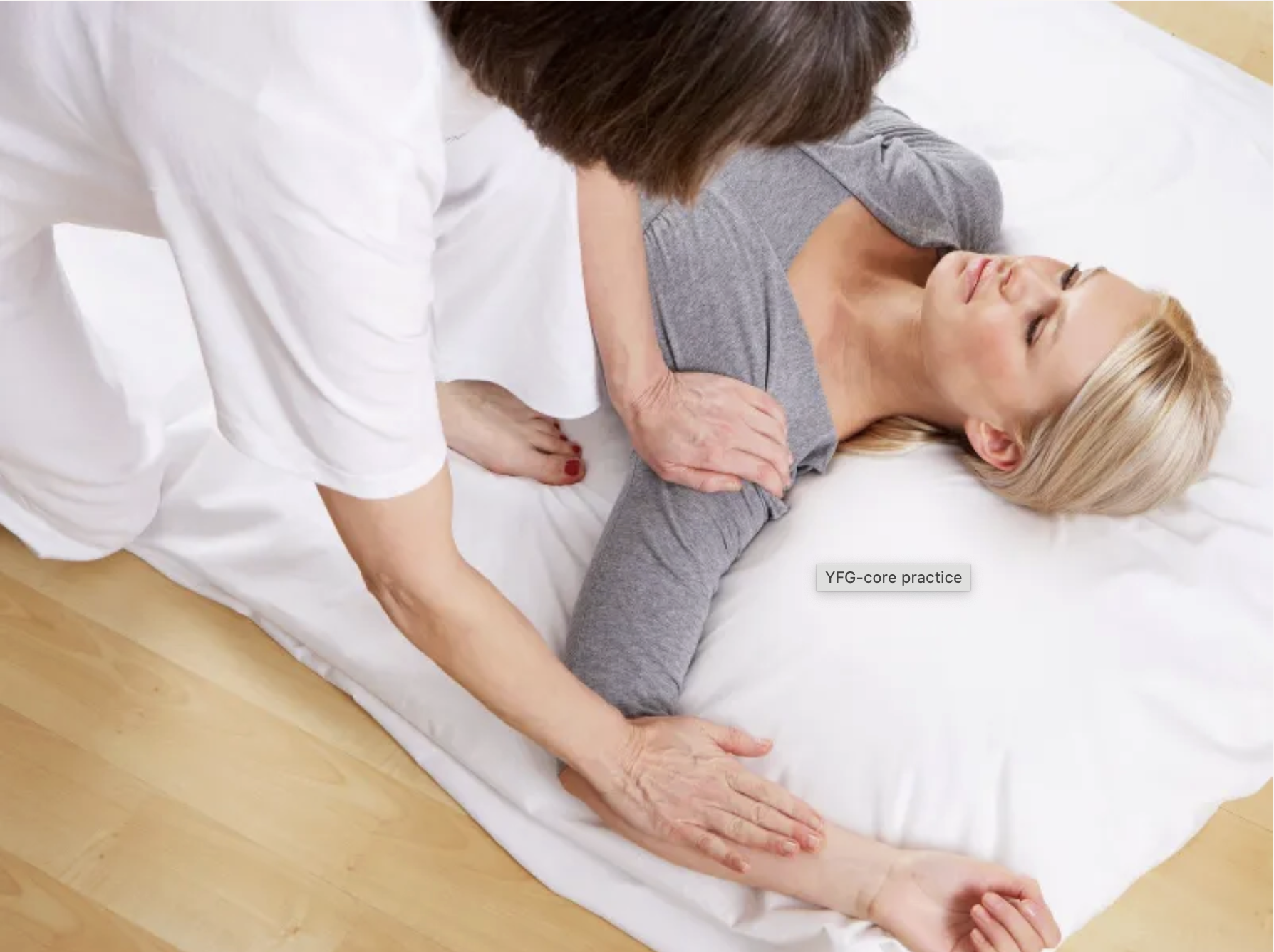
The better-known aspects of Japanese self-healing methods include meridian-based yoga therapy, the macrobiotic diet and shiatsu massage. Each method is very healing, and together they form an incredibly powerful combination.
But it doesn’t stop there. There are precepts for mental purity; Japanese self-massage (Do-in) that everybody loves; forms of hand healing that use specific points on the body to greatly improve flexibility in particular asanas through body relationships (Kan Ren Bui); and light energy healing techniques similar to Reiki (called Shinkiko).
Then there are powerfully transformative but subtle Daoist meditation techniques for maximising energy flow in the body and pranamayakosha (and beyond) by using the mind and breath to work with the Extraordinary Vessels (equivalent in nature to Sushumna, Ida and Pingala).
Self-massage as an accessible entry point
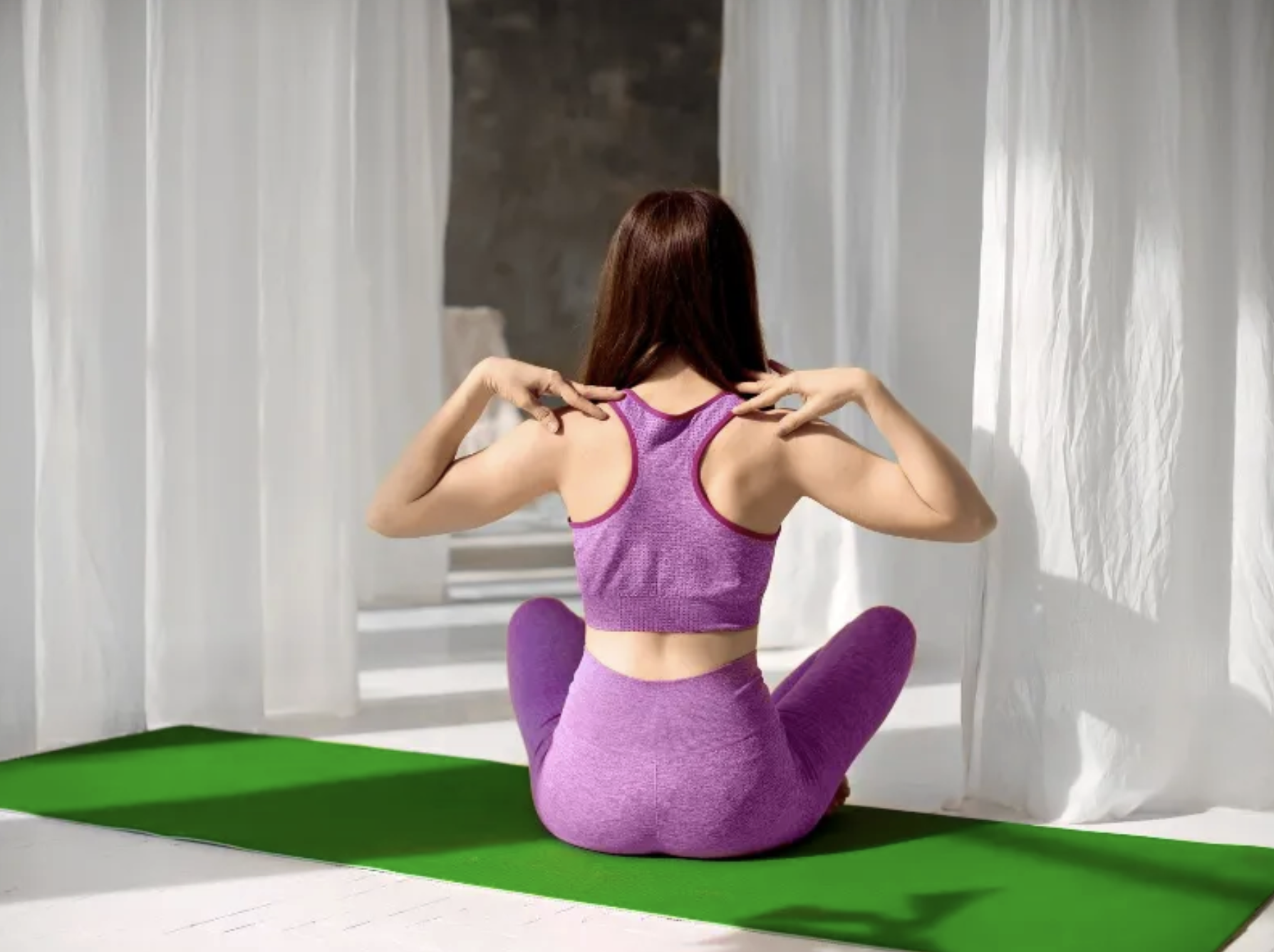
One of the most accessible entry points into Japanese self-healing is Do-In self-massage, as it’s a practice you can feel in the body and doesn’t require prior experience. You also won’t need to be super flexible or have extensive technical knowledge. It’s simple, tactile and guided by sensation rather than performance, and that’s exactly why people find it easy and enjoyable.
If this is something you’re wanting to explore in a practical way, Leah Cooper, who has taught YFG community classes, shares gentle Japanese self-massage through The Centre of Ki. She offers a number of videos, including this one, with simple, guided ways to experience Do-In through touch and awareness.
Seasonal practice and the meridian system
Japanese yoga has traditionally been practised with the seasons in mind. Different times of year are linked to different meridians and organ systems, and the practice responds to that. Working this way invites people to pay attention to what the body and mind are asking for as the year shifts, instead of following the same approach year-round. Over time, this tends to create a practice that feels more connected, flexible and lived in.
At Yoga For Good, we’ve been exploring the seasons through our Japanese yoga community classes, with each element introduced as it arises through the year. The final element, Earth, for late summer and seasonal transitions, associated with the Spleen and Stomach Meridians, is planned for the Annual Retreat in September. This will complete the seasonal cycle and offer a fuller picture that can be gradually integrated into personal practice.
Each season and its associated meridians can be found on our Community Class page under ‘Meridians’. You’ll find:
Autumn Metal Element for the Lung and Large Intestine Meridians – Adele Vincent
Winter Water Element for the Kidney Meridians – Leah Cooper
Spring Wood Element for the Liver and Gall Bladder Meridians – Adele Vincent
Summer Fire Element for the Heart and Small Intestine Meridians – Sergio Cutrera
And coming soon in February 2026, Summer Fire Element for the Heart and Triple Heater Meridians with Mayriel Luke. Don’t miss out.
Connect with your true self through the transformative power of yoga
Japanese self-healing meets the body where it is, shifting with the seasons and paying attention to what’s really happening. Whether through self-massage, meridian-based practice or learning with others, it invites a more responsive relationship with both body and mind.
Read the article on the Yoga For Good Foundation website:
yogaforgood.com.au/japanese-self-healing-practice
Dr Adele Vincent
Adele is the newest Board Director at Yoga For Good and has a PhD in neuroscience. She works as a yoga therapist and has spent many years teaching, training and leading retreats, with a strong focus on mental health and emotional regulation.
She is the founder of Move Yoga Therapy and co-author of two children’s yoga storybooks that explore anxiety and emotional resilience. Outside of work, Adele is a mother of two who enjoys mantra, flute playing and Japanese brush painting.